Threads
Seventy-two scenes about your place in a family: belonging, contact, voice, care, family stories and change.
Open the deckWhat's in the deck
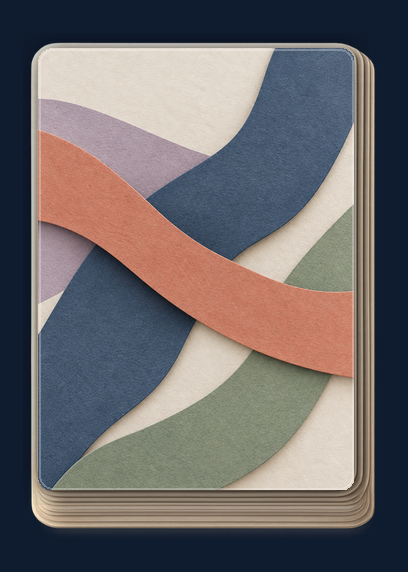
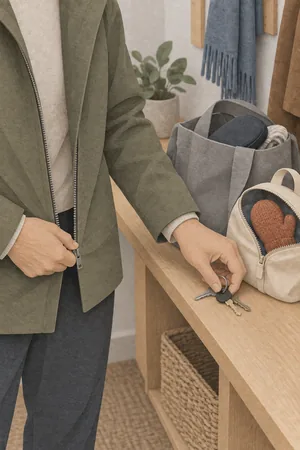
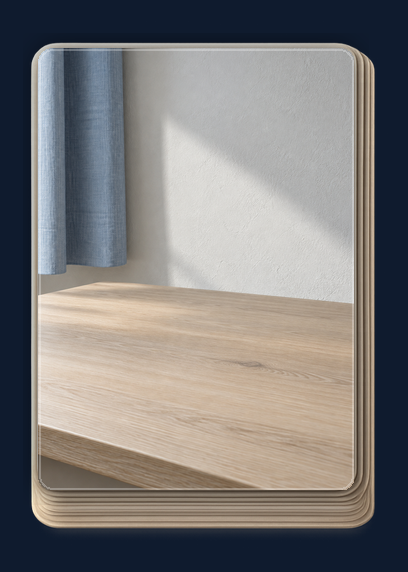
Threads is about one question: what is my place among the people I call mine. The family you grew up in, the family you have now and the people you count as close are all in the same deck, because in adult life they rarely stay in separate rooms. The images are everyday scenes, objects and spaces rather than portraits, so the same card can hold a warm memory for one person and an unfinished conversation for another. Six groups of twelve cover belonging, contact, voice and boundaries, care and exchange, stories and legacy, change and loss. The deck lets you talk about what you want to keep, what you want to renegotiate and what you are not ready to decide yet.

Groups
Belonging
Who you consider family and whether there is room for you among them. Acceptance, recognition and different ways of being a family.
Connection
How you respond to one another. Closeness, attention, joy, distance and the feelings that arise with people close to you.
Voice and Boundaries
Having a say, agreeing or saying no. Personal space, shared rules and a voice in family decisions.
Care and Exchange
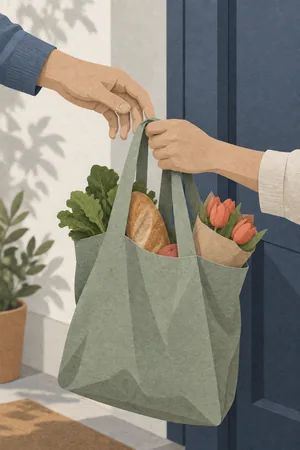
What each person does, gives and receives in family life. Practical help, money, sharing responsibilities and being able to accept care.
Stories and Legacy
Family stories, habits, values and skills. What you know, what remains unknown and what you want to carry on or change.
Change and Loss
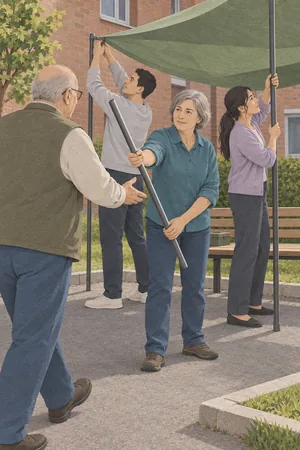
Life after changes in a family: becoming a parent, growing up, moving, separation or loss. What remains and new ways of being close.
Techniques where this deck fits
These are the self-reflection techniques in our Self-Work Navigator that work well with this deck:
When to pick
The topic is family, not a diagnosis of it
You want to look at your part in family life rather than establish who is to blame. The scenes give a starting point without naming a culprit.
Roles and expectations are the difficulty
Who owes what to whom, who is heard and who keeps quiet. Voice and Boundaries and Care and Exchange carry these conversations.
Something has changed
A birth, a move, growing up, separation, a loss. The Change and Loss group is built for the life that follows, not for the event itself.
You are asking about closeness
How near you want to be and what makes that possible. Belonging and Connection work for that question in individual sessions.
When this isn't the right deck
Threads is a deck about your own place in a family, and it stays useful only while the question is yours. It cannot tell you why a relative behaves the way they do, and reading a card as evidence about an absent person is the fastest way to a false conclusion. It is not a genogram, a diagnosis or a family-systems assessment. If a family situation involves violence or coercion, this is not a self-help tool: talk to a specialist.
Other decks in MAC Cards Online

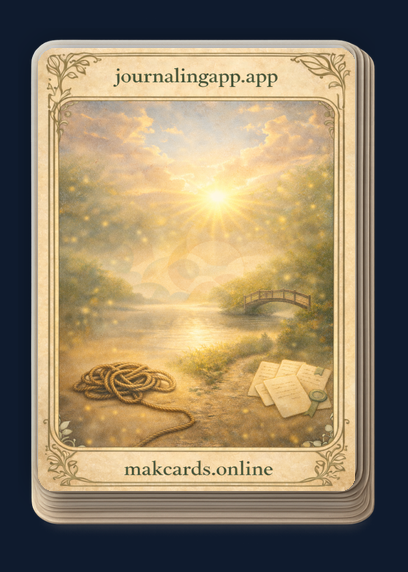
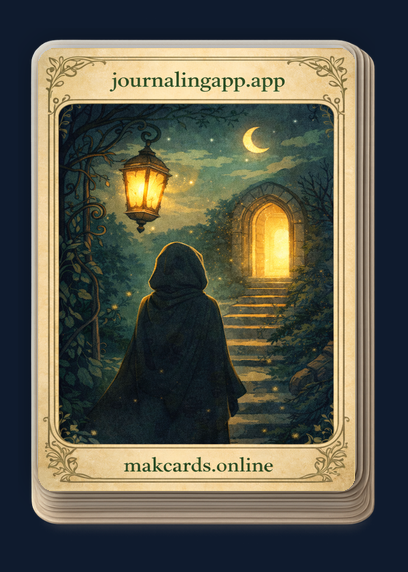
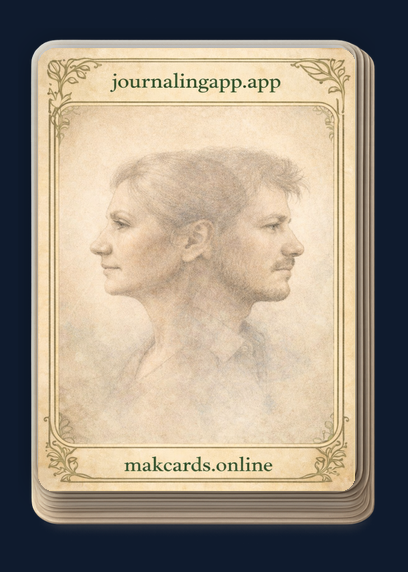
About metaphorical associative cards (MAC)
Metaphorical associative cards (MAC) are a projective tool used in self-reflection, coaching and therapy. Unlike tarot or oracle cards, they don't predict anything – the image becomes a mirror for what is already happening inside you.
You can work with MAC cards alone in a quiet 5-minute session, with a therapist, or in a group. The card is not the answer; it is a frame for asking yourself a more honest question.
On MAC Cards Online, every public deck is free to try in your browser – no installation, no registration. The platform also has Self-Work Navigator with 8 guided techniques that walk you through a session step by step.